

From West Africa to the Caribbean, a handful of traditional drinks come back in every family: hibiscus bissap, ginger gnamakoudji, baobab bouye, tamarind juice, Touba coffee and kinkeliba. This guide presents each of these drinks, their identity, their known composition and the products to prepare them at home.
Bissap, the hibiscus flower infusion
Bissap is prepared with the dried calyces of the hibiscus flower, Hibiscus sabdariffa. Served iced in Senegal, it goes by other names depending on the country: zobo in Nigeria, karkadé in Egypt, sorrel in the English-speaking Caribbean. For the full identity of the plant, its forms sold and its variants, see our bissap guide.
Gnamakoudji, the West African ginger juice
Gnamakoudji is a traditional drink from Ivory Coast, Senegal, Mali, Guinea and Benin. Its name comes from Dioula, the language of West African traders, and literally means “spicy water”, referring to the heat of the ginger. It is served very cold, often at festive meals or during Ramadan, to break the fast, alongside bissap or baobab juice.
Fresh ginger provides, per 100 grams, about 80 kilocalories, 415 milligrams of potassium, 43 milligrams of magnesium and 5 milligrams of vitamin C, according to the USDA FoodData Central composition database. For the full recipe, see our gnamakoudji recipe.
Bouye, baobab juice
Bouye, the Wolof name for this drink, is prepared from the dried pulp of the baobab fruit (Adansonia digitata), also nicknamed monkey bread. It is also found in Mali, where it is called zira. Dried baobab pulp has been authorised as a food ingredient in the European Union since a European Commission decision of 2008.
A synthesis of several studies, published in Critical Reviews in Food Science and Nutrition, indicates for 100 grams of baobab powder about 305 kilocalories, 5.3 grams of protein, 13.7 grams of fibre, 302 milligrams of calcium and 1794 milligrams of potassium, values that vary according to origin and drying. Find the full baobab juice recipe and the details of its composition in our article on baobab composition.
Tamarind
Tamarind is the fruit of the tamarind tree, a pod with tangy pulp, very present in West Africa (Senegalese dakhar), South Asia and the Caribbean. For the identity of this fruit, its composition and the forms sold (paste, infusion, confectionery), see our tamarind guide.
Touba coffee and kinkeliba, two other everyday drinks
Touba coffee is a traditional spiced coffee from Senegal: a blend of roasted Robusta coffee and ground Guinea pepper, called djar. It is named after the holy city of Touba, where the preparation is associated with the Mouride brotherhood.
Kinkeliba is an infusion of dried leaves of Combretum micranthum, a plant from the Sahel. In Senegal, it is happily drunk on waking or at the end of a meal, as an alternative to tea. To find out more, see our article on kinkeliba.
Traditional alcoholic drinks
Palm wine, obtained by fermenting the sap of certain palm trees, is a traditional drink widely found in West and Central Africa, known by local names such as bandji or sodabi depending on the country. NKOSI is a grocery store for dry and ambient products and does not sell alcoholic drinks: for its history and cultural uses, see our article on palm wine.
Overview of the main drinks
| Drink | Main ingredient | Country or region |
|---|---|---|
| Bissap | Dried hibiscus flower | Senegal, West Africa |
| Gnamakoudji | Fresh ginger | Ivory Coast, Senegal, Mali |
| Bouye | Dried baobab pulp | Senegal, Mali |
| Tamarind juice (dakhar) | Tamarind pulp | Senegal, Mali, Mauritania |
| Touba coffee | Coffee and Guinea pepper | Senegal |
| Kinkeliba | Combretum micranthum leaves | Sahel (Senegal, Mali) |
Where to find these African drinks in France?
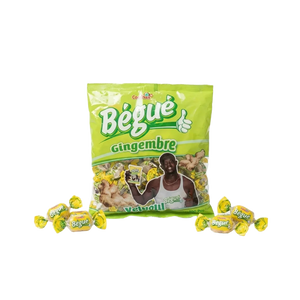
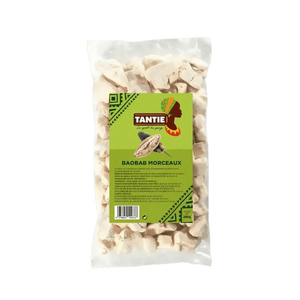
NKOSI selects the ingredients for these drinks, dry and ready to prepare: ginger powder and concentrated ginger juice for gnamakoudji, RACINES organic baobab powder and baobab pieces for bouye, BARKELOU Touba coffee, and dried kinkeliba for the everyday infusion. For bissap and tamarind, see the products listed in our dedicated guides. Find the whole range in our exotic drinks collection, shipped from the Paris area within 24 to 72 working hours, to mainland France and to ten European countries.