










Tamarind is the fruit of the tamarind tree (Tamarindus indica), a large tree whose brown pods contain a tangy pulp. Used in West Africa, South Asia and the Caribbean, it is sold in several forms, from concentrated paste to confectionery. This guide covers its identity, its known composition, the forms found in shops and its uses in cooking and in drinks.
What is tamarind?
The tamarind tree is a member of the Fabaceae family, producing elongated, slightly curved pods with a brittle brown shell. Inside is a sticky, dark brown pulp that surrounds several hard, inedible seeds. It is this pulp, both sweet and distinctly sour, that is used in cooking and in drinks.
The word tamarind comes from the Arabic tamr hindi, the date of India, a name that traces the fruit's journey from Africa, where the tamarind tree originates, to South Asia, where its cultivation developed very early on. The fruit then crossed the Atlantic to the Caribbean and Latin America through trade and migration.
In West Africa, the drink prepared from the pulp is called dakhar in Senegal, and dakhine in neighbouring Mauritanian preparations.
Tamarind composition
Per 100 grams of raw tamarind pulp, the Ciqual table from Anses indicates around 246 kilocalories, 57.4 grams of carbohydrates including 38.8 grams of sugars, 5.1 grams of fibre, 628 milligrams of potassium and 92 milligrams of magnesium. These values apply to the pure, concentrated pulp: once diluted in water to make a juice, its sugar and mineral concentration is significantly lower.
What forms is tamarind sold in?
| Form | Description | Main use |
|---|---|---|
| Tamarind paste (wet tamarind) | Pulp pressed into a block, with seeds removed | Homemade juice, sauces, marinades |
| Tea bags | Granulated tamarind extract combined with other dried plants | Hot or cold drink, ready in a few minutes |
| Instant granulated drink | Dissolves directly in water | Quick sweet drink |
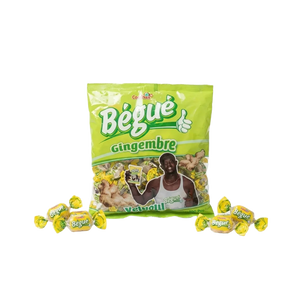
| Confectionery (hard sweets) | Tamarind pulp flavouring a hard sweet | To snack on as is |
Using tamarind in cooking and in drinks
Tamarind paste is diluted in a little warm water before being added to a dish. It pairs equally well with savoury and sweet: it lifts a sauce, a marinade or a slow-cooked dish from West Africa, the Caribbean or South Asia, where it often replaces vinegar or lemon with a fruitier note. As its acidity is pronounced, it is best added gradually, tasting as you go.
For the drink, the paste is soaked in warm water, worked to loosen the pulp from the last fibres, then strained and sweetened to taste. For the full tamarind juice recipe, with quantities and detailed steps, see our homemade tamarind juice recipe.
How to choose and store tamarind
- Tamarind paste keeps for several months in a cupboard away from light, and in the fridge once the pack is opened.
- Prepared, strained juice keeps for two to three days in the fridge.
- A good-quality paste is soft, dark brown, with no sugar crystals on the surface and no fermented smell.
Recipes with tamarind
- Homemade tamarind juice, the Senegalese and Malian dakhar recipe, with the quantities of paste, water and sugar.
Tamarind also pairs well with ginger: our gnamakoudji recipe, the West African ginger juice, is prepared following a similar principle, based on soaking and straining.
Where to find tamarind in France?
NKOSI is a grocery store specialising in dry and ambient products from Africa and the Caribbean. We sell seedless tamarind paste in a 375 g pack for cooking and preparing homemade juice. For a quicker drink, our African tamarind infusion and our STARLING tamarind instant drink are ready in a few minutes. For a sweet treat, BÉGUÉ tamarind sweets capture the tangy taste of Senegalese confectionery. Find these products in our exotic drinks department, with shipping from the Paris area within 24 to 72 working hours, to mainland France and to ten European countries.