







This tamarind paste is the pulp of the tamarind tree's fruit, pressed into a block and de-seeded ("without seed" on the packet). Diluted in hot water, it makes tamarind juice and adds a fruity acidity to sauces. 375 g pack, imported by Tai Yat Distribution.
What is tamarind paste?
Tamarind is the pod of the tamarind tree, a tree from the tropical regions of Africa and Asia. Its brown, sticky pulp is both sour and sweet. The packet shows it in English (tamarind), in Vietnamese (me chua không hột, seedless tamarind), in Thai and in Chinese: in Thailand, it is called makham piak, wet tamarind, hence the name wet tamarind.
How to use it?
- Take a piece of paste, for example a tablespoon.
- Let it soak in a little hot water, then mash it with a fork.
- Strain to remove the fibres and keep the liquid.
This liquid is the base for tamarind juice, which is diluted with water and sweetened to taste: the tamarind juice recipe is on the blog. It also adds acidity to sauces, marinades and Southeast Asian curries. Start with a small amount: acidity varies from batch to batch.
What to pair it with?
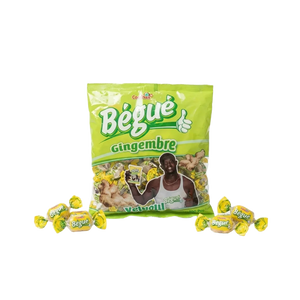
Tamarind is also found in RACINES tamarind infusion and BÉGUÉ tamarind sweets from Senegal. The other pastes and sauces are in the sauces and pastes range.
Product information
- Volume: 375 g pack (13.2 oz)
- Product: seedless tamarind pulp
- Nutritional values per 100 g: energy 1,127 kJ (265 kcal), fat 0 g of which saturates 0 g, carbohydrate 63 g of which sugars 40 g, protein 3 g, salt 0.02 g
- Importer: Tai Yat Distribution, Garges-lès-Gonesse
- Storage: in a cool, dry place