
Martinique, an island in the Lesser Antilles, has a Creole cuisine born from the meeting of Amerindian techniques, culinary practices brought from Africa through the slave trade, French colonial heritage, and spices introduced by indentured workers who came from India in the 19th century. For the Caribbean diaspora settled in France and Belgium, these dishes remain a direct link to the island. Here are ten Creole dishes that give a glimpse of this cuisine, with the ingredients to find them in France.
History and influences of Martinique cuisine
The island's first inhabitants, the Arawaks and later the Kalinago, passed down fishing, cassava cultivation, and preservation techniques such as smoking (boucanage). The slave trade then brought culinary practices from West and Central Africa: rice, plantains, okra, and slow-simmered sauces. French colonization left behind bread, pastries, and certain sauce techniques. Between 1853 and 1885, around 42,000 indentured workers from India arrived in Martinique and Guadeloupe after the abolition of slavery in 1848: they brought the spices and customs that gave rise to colombo.
Ten emblematic Creole dishes from Martinique
1. Colombo
Colombo is a spice blend derived from Tamil kuzhambu, which Indian indentured workers introduced to the Antilles in the 19th century. The Martinique version differs from that of Guadeloupe, where Indian immigration was greater: Martinique's colombo uses fewer Indian spices and more local ingredients, often served with carrots and yellow banana. See our chicken colombo recipe, also available as lamb colombo and fish colombo.
2. Cod accras
These fried fritters of crumbled salt cod, mixed with flour, onion, and spices, are served as an appetizer throughout the French Antilles. See our cod accras recipe.
3. Creole boudin
This black pudding, seasoned with Antillean spices, is prepared for the end-of-year festivities as well as for everyday meals, in Martinique as in Guadeloupe. See our Creole boudin recipe.
4. Crab matoutou
This dish of land crabs simmered and then served with rice is traditionally prepared on Easter Monday: it is called matoutou in Martinique and matété in Guadeloupe. See our crab matoutou recipe.
5. Fish blaff
The fish is poached in a court-bouillon flavored with lime, garlic, and chili: that is the very meaning of the Creole word blaff. This dish is distinct from Martinique's tomato-based court-bouillon. See our cod blaff recipe.
6. Creole chicken fricassée
Chicken marinated in lime and garlic simmers with scallions, thyme, and cloves. See our Creole chicken fricassée recipe.
7. Avocado féroce
This starter of mashed avocado, cassava flour, and shredded salt cod, seasoned with chili, originated in Martinique. See our avocado féroce recipe.
8. Lambi
This marine mollusk (Lobatus gigas), whose fishing and export are regulated by the Washington Convention (CITES), is prepared grilled and marinated or as a fricassée. See our grilled lambi recipe and our lambi fricassée.
9. Dombrés
These dumplings made from flour and water, born in Guadeloupe and widely adopted in Martinique, are cooked with shrimp or fish. See our dombrés recipe.
10. Coconut flan
This creamy dessert made with coconut, condensed milk, and eggs is served chilled. See our Antillean coconut flan recipe.
Ingredients for Martinique cuisine to gather in France
A few products recur from one Martinique dish to another:
- colombo powder, the base spice blend
- cane sugar, for desserts and marinades
- lime juice, for marinades and court-bouillons
- coconut milk, for the coconut flan
- cloves, for marinades and boudin
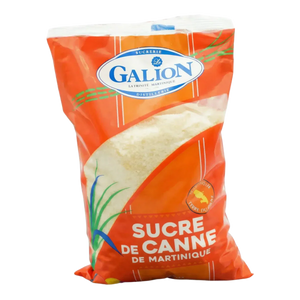
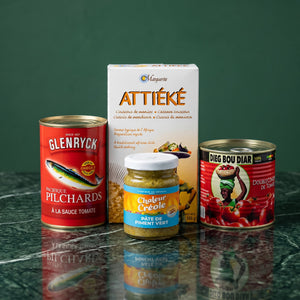
Find this selection with TONTON CLÉMENT colombo powder, LE GALION cane sugar, CHALEUR CRÉOLE lime juice, and the ready-to-use preparation for cod accras, in NKOSI's Antillean and Creole cuisine collection.
Frequently asked questions about Martinique cuisine
What is the difference between Martinique cuisine and Guadeloupe cuisine?
The two cuisines are very similar and share most of their dishes: colombo, accras, Creole boudin, dombrés, coconut blancmange. Colombo itself differs: Guadeloupe's version stays closer to Indian curry, while Martinique's, where Indian immigration was smaller, uses fewer Indian spices and more local ingredients.
Is colombo really from Martinique?
Its origin is not from Martinique: colombo comes from India, brought by indentured workers who arrived in the French Antilles after the abolition of slavery in 1848, between 1853 and 1885. It was then transformed locally with spices and local ingredients, until it became an emblematic dish of both islands.
Where to find Martinique cuisine ingredients in France?
NKOSI sells several ingredients for Martinique cuisine (colombo powder, cane sugar, lime juice, cod accras preparation) and ships them from the Paris area within 24 to 72 working hours, to mainland France (2 to 3 working days) and to ten European countries. The minimum order is 39 €: in France, delivery to a pickup point is then free, and home delivery is free from 69 €.