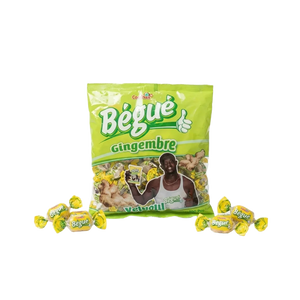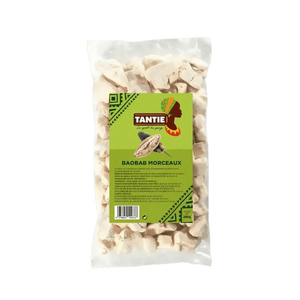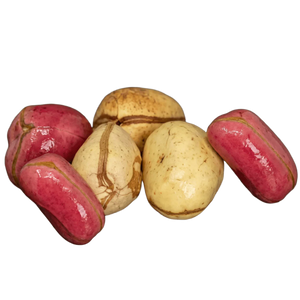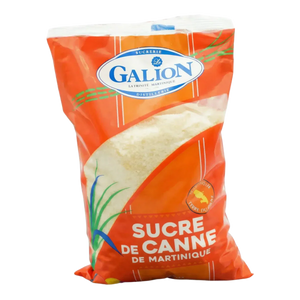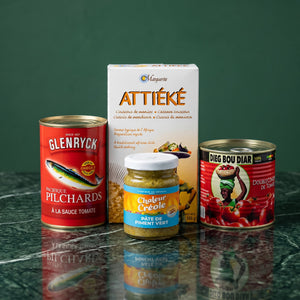


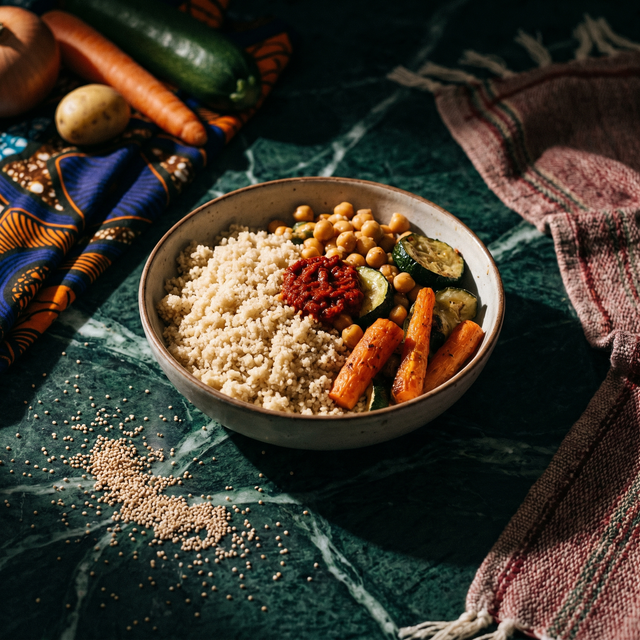
Senegal owes its cuisine to its Atlantic coastline and to the Senegal and Casamance rivers, which provide the fish and rice at the heart of many dishes, as well as to the lands of the groundnut basin, where peanuts become the base of many sauces. This cuisine is organized around a central principle, teranga, the hospitality and sharing that accompany every meal. Here are ten emblematic dishes of Senegalese cuisine, with the ingredients to prepare them in France.
History and influences of Senegalese cuisine
Senegal brings together several groups, notably the Wolof, Fulani, Serer, Diola, and Mandinka, whose culinary traditions have mingled over the centuries. The country was also shaped by trans-Saharan and later Atlantic trade, which introduced rice and tomato into a diet first built around millet and fish.
Teranga, a Wolof word formed on teer (to welcome), designates this hospitality that structures Senegalese meals: welcoming a guest means, above all, inviting them to share the communal dish.
Ten emblematic dishes of Senegalese cuisine
1. Thiéboudienne
Thiéboudienne (ceebu jën in Wolof, “fish and rice”) is Senegal's national dish. Inscribed on UNESCO's Representative List of the Intangible Cultural Heritage of Humanity in December 2021, it originated among the fishing communities of Saint-Louis, at the mouth of the Senegal River. Broken rice is cooked in the cooking liquid of the fish and vegetables (cabbage, carrot, eggplant, cassava), colored with tomato. See the thiéboudienne recipe.
2. Chicken yassa
Originating from Casamance, in the south of the country, yassa combines chicken or fish with a long marinade of lemon, caramelized onion, and mustard. It is served with white rice. See the chicken yassa recipe.
3. Mafé
Mafé is a stew simmered in a peanut paste and tomato sauce, prepared with beef, chicken, mutton, or fish and served over white rice. This dish is shared with neighboring Mali, where it is called tigadèguèna. See the chicken mafé recipe.
4. Dibi
Dibi is meat, most often mutton, grilled over a wood fire and then served with onions and mustard. Dibiteries, stalls open in the evening, multiplied in Dakar in the 1960s and 1970s, in neighborhoods such as Médina or Parcelles Assainies. See the dibi recipe.
5. Bissap
Bissap is an infusion of dried hibiscus flowers, sweetened and often flavored with mint or ginger. It is one of the most commonly served drinks in Senegalese households. See the homemade bissap recipe.
6. Touba coffee
Touba coffee owes its name to the holy city of Mouridism, a Sufi brotherhood founded by Cheikh Ahmadou Bamba. There, the coffee is ground with Guinea pepper, called diar in Wolof or Selim pepper, sometimes with cloves added. See the Touba coffee recipe.
7. Pastels
Pastels are small fried turnovers, filled with spiced fish and onion, enjoyed as an appetizer or a snack. See the Senegalese pastels recipe.
8. Lalo sauce
Lalo sauce is prepared from powdered dried baobab leaves, called lalo in Wolof, which thickens a fish broth to a texture close to that of okra. See the lalo sauce recipe.
9. Millet porridge
Lakh, or fondé, is a millet porridge cooked in water, served with sweetened curdled milk, most often at breakfast. See the millet porridge recipe.
10. Thiakry
Thiakry, also called dégué, is a dessert prepared with steamed millet couscous, mixed with curdled milk or yogurt, sometimes flavored with vanilla and raisins. See the thiakry recipe.
Ingredients for Senegalese cuisine to gather in France
Several ingredients recur from one Senegalese dish to another:
- broken rice, for thiéboudienne
- peanut paste, the base of mafé
- crushed millet semolina, for millet porridge, and the millet couscous for thiakry
- dried hibiscus flowers, for bissap
- Touba coffee, already blended with Guinea pepper
Find this selection in our Senegalese grocery and our West African grocery section.
Frequently asked questions
What is Senegal's national dish?
Thiéboudienne, fish and rice born in the fishing communities of Saint-Louis, is Senegal's national dish. It was inscribed on UNESCO's Representative List of the Intangible Cultural Heritage of Humanity in December 2021.
What is teranga?
Teranga is the Wolof word that designates hospitality and sharing in Senegal: welcoming a guest means, above all, sharing with them a dish such as thiéboudienne or chicken yassa.
Where to find Senegalese ingredients in France?
NKOSI brings together several ingredients of Senegalese cuisine (broken rice, peanut paste, millet semolina, dried hibiscus, Touba coffee) in its shop and ships them from the Paris area within 24 to 72 working hours, to mainland France (2 to 3 working days) and to ten European countries. The minimum order is 39 €: in France, delivery to a pickup point is then free, and home delivery is free from 69 €.