




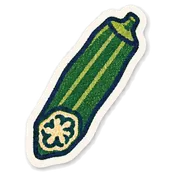
Gombo (Abelmoschus esculentus), also called okra, is a green vegetable grown across much of Africa. Its mucilaginous texture, which makes the vegetable slightly sticky when cooked, is traditionally used to thicken sauces and stews.
What is gombo?
Gombo belongs to the Malvaceae family, the same as hibiscus. Its precise geographic origin is debated between the Horn of Africa (Ethiopia) and South Asia, depending on the botanical sources, but the plant has been grown in Africa since antiquity. It is known by various names depending on the region: bamia or bamya in the Middle East and the Mediterranean, quiabo in Brazil, okra in English-speaking countries.
Gombo composition
Raw gombo provides, per 100 grams: about 31 kilocalories, 1.9 grams of protein, 3.2 grams of fibre, 23 milligrams of vitamin C and 31 micrograms of vitamin K1, as well as folate and magnesium, according to the Ciqual table from ANSES and the USDA FoodData Central database.
How to cook gombo
In West Africa, gombo is used in simmered sauces such as Senegalese gombo sauce or kandia soup, where its mucilaginous texture binds the dish. It is also pan-fried, cut into slices, for a shorter cooking time that limits the sticky effect: a touch of lemon or tomato at the end of cooking has the same effect. Dried or powdered gombo, like the one sold by NKOSI, must be rehydrated and then cooked before being eaten, like any dried vegetable.
Where to find gombo in France?
NKOSI sells dried, ground gombo, as Gbamougou CATALEYA gombo powder and CATALEYA djoumble, found in the gombo and sauce thickeners section. For preparation ideas, see the NKOSI blog for how to add gombo to a dish, the kandia soup recipe or the gombo rice pilaf recipe.


![Cola Nuts from the brand [Brand Name]: 250g/500g/1kg.](http://www.nkosiagro.com/cdn/shop/files/cola-rouge-nkosi-agro.webp?v=1774103054&width=300)