

Rice is supposedly the base of every African dish, chili pepper is supposedly everywhere, cassava is supposedly cooked like any other vegetable: several misconceptions circulate about African and Caribbean ingredients. Here are five of them, checked and corrected.
A single African cuisine, with the same ingredients everywhere?
Africa has 54 countries, and its cuisine is not a single block: it is a multitude of regional culinary traditions, shaped by the climate, resources and history of each area. Couscous and tagine characterise the Maghreb, tomato rice (jollof rice) and pounded foutou dominate in West Africa, cassava and plantain are the base of many Central African dishes, such as saka saka, and Southern Africa blends local, European and Asian influences, as in the braai. See our guide to African cuisine.
Rice, a mandatory starch in every meal?
Rice is very present in several West African and Caribbean cuisines, but it is just one starch among others. Fonio, domesticated as early as the start of the fifth millennium BCE, is cooked like a very light semolina. Millet and sorghum are prepared as porridge or semolina. Yam, cassava and plantain are pounded, turned into flour for foufou, or fried, as in Ivorian alloco. See the fonio guide and the cassava guide.
A cuisine that is necessarily very spicy?
The level of heat varies a great deal from one region to another, and even from one spice blend to another. Maghrebi ras el hanout is first and foremost an aromatic blend: chili pepper is just one spice among a dozen others (coriander, cumin, turmeric, ginger, fenugreek, fennel, garlic…), and ground smoked sweet paprika colours a sauce without making it hot. Conversely, in several West African dishes, chili pepper is incorporated directly into the sauce, fresh, dried or powdered. The level of heat therefore depends on the dish and the region, not on a single rule for an entire continent. See our selection of essential African spices.
Cooking times that can be taken lightly?
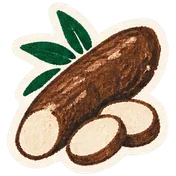
Two common misconceptions about cooking times. Cassava, whether sweet or bitter, is never eaten raw: it contains cyanogenic glucosides that release hydrocyanic acid, reduced to safe levels by soaking, fermentation, drying and cooking, with maximum levels set by European regulation (EU) 2022/1364. Dried legumes such as niébé (black-eyed pea) or pigeon peas do not cook like pasta either: they generally require soaking for 8 to 12 hours, then cooking for 45 minutes to 2 hours at a bare simmer depending on the legume. See our cassava guide for the details of the processing methods.
Fragile dried products, only available in neighborhood grocery stores?
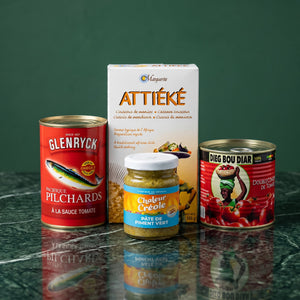
Properly stored, away from light, heat and moisture, in an airtight container, dried cereals, flours, spices and legumes from Africa and the Caribbean keep for several months, like any other dry grocery product. And it is no longer necessary to travel to a community grocery store to get them: several specialty grocers, including NKOSI, now offer these products for sale and ship them throughout France and to several European countries.
To go further
For a full view of ingredients by family, see the guide to African and Caribbean cuisine ingredients.