




In brief
- Dulce de coco is a melt-in-the-mouth confection made from coconut cooked in sweetened milk
- Origin: Dominican Republic, Cuba and Puerto Rico, Caribbean
- Key ingredients: coconut, evaporated milk, sugar, cinnamon
- An after-meal sweet, also sold in small Dominican grocery stores (colmados)
Origins and cultural history of dulce de coco
Dulce de coco (“coconut sweet”) is a traditional confection of the Spanish-speaking Caribbean, found in the Dominican Republic, Cuba and Puerto Rico. In the Dominican Republic, it is one of the most popular treats, sold in colmados (small neighbourhood grocery stores) and often served after the midday meal with coffee. There are two main versions: “coco seco”, made from dried coconut, and “de coco tierno”, made from fresh, tender coconut.
It is made by cooking grated coconut flesh in milk sweetened and flavoured with cinnamon, until it reaches a texture close to a thick pudding.
What are the key ingredients of dulce de coco
Making dulce de coco relies on a few ingredients found in most African and Caribbean grocery stores, including NKOSI, with the exception of fresh coconut.
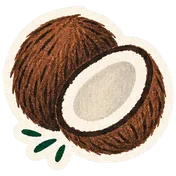
- fresh coconut
- evaporated milk
- sugar
- cinnamon sticks
- vanilla
What to know about dulce de coco
Dulce de coco is a soft confection from the Spanish-speaking Caribbean, made with coconut cooked slowly in evaporated milk and sugar, then scented with cinnamon. It comes in two versions, the “coco seco” made with dried coconut and the “de coco tierno” made with fresh coconut, and its texture ranges from a soft pudding to a firmer sweet. It is served after the midday meal, often with a coffee, and kept in the refrigerator to be enjoyed well chilled.
Frequently asked questions about dulce de coco
How should dulce de coco be stored?
It keeps in the refrigerator, in an airtight container, and is best enjoyed well chilled: the mixture, cooked for a long time in sweetened milk, stays fragile at room temperature.
Are there several versions of dulce de coco?
Yes: the “coco seco” version, made from dried coconut, and the “de coco tierno” version, made from fresh, tender coconut, are the two most common; the resulting texture ranges from a melt-in-the-mouth pudding to a firmer confection, close to a coconut macaroon.
Where to find the ingredients for dulce de coco in France?
NKOSI sells the unsweetened condensed milk, cane sugar, cinnamon sticks and Bourbon vanilla for this recipe and ships them from the Paris area within 24 to 72 working hours, to mainland France (2 to 3 working days) and to ten European countries. The minimum order is 39 €: in France, delivery to a pickup point is then free, and home delivery is free from 69 €.