





The mafé and the colombo are two simmered, fragrant dishes born of a history of migration, but they have little else in common. The first comes from West Africa and is built on peanut paste, the second was born in the French Antilles and is built around a blend of spices of Indian origin. This comparison details their respective origins, their essential ingredients and what truly sets them apart.
Mafé, the West African peanut sauce
Mafé originates from Mali and Senegal, among the Mandinka and Bambara peoples. Its name comes from Wolof and refers to a dish with peanut sauce; in Mali, it is also called tiga dèguè na, which literally means “peanut paste sauce”. The peanut itself was introduced to Senegal in the 16th century by the Portuguese, coming from South America; before its arrival, Malian cooks used the bambara groundnut for comparable sauces. Mafé then spread throughout West Africa, as far as the Gambia, Mauritania and Côte d'Ivoire.
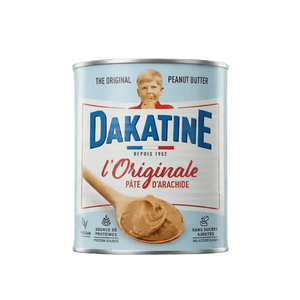
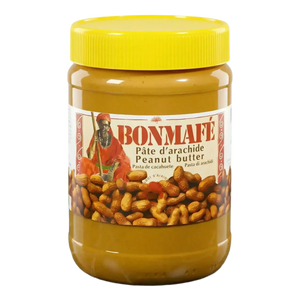
Peanut paste gives the sauce its thick texture and its underlying flavour; it is simmered with beef, chicken, mutton or fish depending on the family, vegetables such as carrot or sweet potato, and a tomato base, then served with white rice.
Colombo, the Antillean blended curry
Colombo arrived in the French Antilles with indentured Indian labourers, notably from the Coromandel Coast and Ceylon, from 1862 onward, after the abolition of slavery in 1848. They brought with them kulambu, a preparation from Tamil cuisine, adapted on site with locally available spices such as bois d'Inde. The etymology of the word colombo remains debated between this Tamil term and the city of Colombo, in Sri Lanka.
Colombo powder blends turmeric, coriander, black pepper, mustard, bay leaf and thyme, toasted then ground. It flavours a meat or a fish marinated in lime juice, simmered with garlic and onion; coconut milk is an optional, regional addition, absent from the base recipes cross-checked for this blog. Colombo is made with chicken, lamb, pork, kid goat or fish, and is served with white rice.
Comparison table of mafé and colombo
| Criterion | Mafé | Colombo |
|---|---|---|
| Geographic origin | Mali, Senegal, West Africa | Martinique, Guadeloupe, French Antilles |
| Historical origin | Mandinka and Bambara peoples, peanut arrived in the 16th century | Indentured Indian labourers arrived in 1862 |
| Signature ingredient | Peanut paste | Colombo powder (turmeric, coriander, pepper, mustard) |
| Etymology | Wolof word for a dish with peanut sauce | Debated: the Tamil word kulambu or the city of Colombo |
| Meats and fish | Beef, chicken, mutton, fish | Chicken, lamb, pork, kid goat, fish |
| Side dish | White rice | White rice |
What truly sets the two dishes apart
Mafé owes its texture to simmered peanut, which thickens the sauce; colombo owes its own to a powder of toasted, ground spices, simmered with garlic, onion and lime. The first carries the imprint of the Sahel and its peanut-growing cultures; the second carries that of the 19th-century Indian migration to the Antilles. Both come in several versions depending on the meat or fish chosen, and are traditionally served with white rice.
Where to find the ingredients in France?
NKOSI sells peanut paste for mafé and colombo powder for colombo, as well as the other products in the Senegalese cuisine and Antillean and Creole cuisine collections.
Going further
To cook a mafé, follow our chicken mafé recipe or our beef mafé recipe. For a colombo, try our fish colombo recipe or our lamb colombo recipe.
Frequently asked questions
Do mafé and colombo come from the same country?
No. Mafé comes from West Africa, from Mali and Senegal in particular. Colombo was born in the French Antilles in the 19th century, from the encounter between the Tamil cuisine of indentured Indian labourers and the locally available ingredients.
Can mafé or colombo be prepared without meat?
Yes. Both sauces are also made with fish, and come in vegetable versions with vegetables such as carrot, sweet potato or aubergine, keeping the peanut or the colombo powder as the aromatic base.
Where to buy peanut paste and colombo powder in France?
NKOSI sells peanut paste and colombo powder and ships them from the Paris area within 24 to 72 working hours, to mainland France (2 to 3 working days) and to ten European countries. The minimum order is 39 €: in France, delivery to a pickup point is then free, and home delivery is free from 59 €.