



Néré powder is the yellow pulp of the néré fruit, dried and ground into flour. It is mixed with water to make a drink or a porridge with a sweet, tangy taste. Note that this is not soumbala: that fermented condiment comes from the seeds of the same tree. 100 g bag.
What is néré powder?
The néré tree (Parkia biglobosa) is a large tree of the West African savannahs. Its pods contain black seeds coated in a yellow, floury pulp. The seeds, once boiled and fermented, give soumbala (also called nététou, dawadawa or iru depending on the country), a strong-smelling brown condiment. The pulp itself is simply dried and ground into flour: this yellow flour is what this bag contains, and the label describes it as “dried néré flour”. Origin stated on the bag: Côte d'Ivoire.
How do you consume it?
- As a drink: dilute the powder in fresh water, sweeten to taste and stir well, as for a baobab juice.
- As a porridge: mix it with water until you get a thick cream.
- In Burkina Faso, it is also added to tô, a millet or sorghum paste.
The bag gives no dosage: start with one tablespoon in a glass of water, taste, then adjust.
What to pair it with?
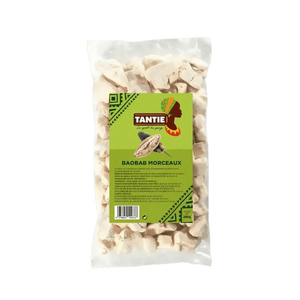
In the same spirit: TANTIE baobab powder for bouye juice and TANTIE whole red bissap. If it is the fermented condiment you are after, choose CATALEYA soumbara powder. The blog looks at the difference between néré and soumbala. The whole range: West African cuisine.
Product information
- Brand: LE MARCHÉ AFRICAIN
- Contents: 100 g resealable bag
- Ingredient: dried néré pulp, powdered. The bag carries the wording “100% natural” and “no colouring or preservative”.
- Origin: Côte d'Ivoire, as stated on the bag
- Allergens: none of the 14 regulated allergens by nature
- Storage: in a dry place, bag well resealed