








In brief
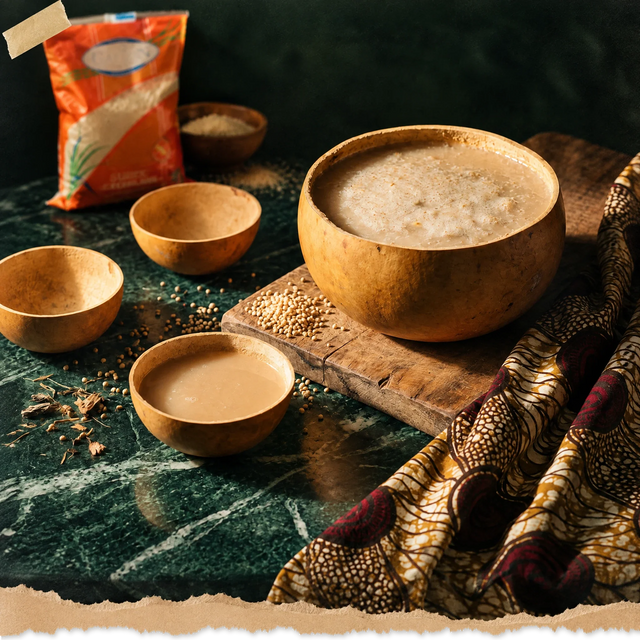
- Placali is a soft paste of fermented cassava, an iconic side dish from southern Ivory Coast.
- Origin: the lagoon regions of southern Ivory Coast, among the Ébrié, Adjoukrou, Alladian and Attié peoples.
- Essential ingredients: fermented cassava flour, water, salt.
- Enjoyed as balls, dipped in a gombo sauce or a sauce graine (palm-nut sauce).
Origins and cultural history of placali
Placali is a paste of fermented cassava, an iconic side dish from southern Ivory Coast. It has its origins in the lagoon regions around Abidjan, among peoples such as the Ébrié, the Adjoukrou, the Alladian and the Attié, where fermented cassava is an ancient dietary staple.
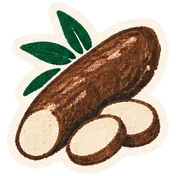
Its traditional preparation starts with fresh cassava, peeled then soaked for several days to ferment, before being pressed, cooked and worked for a long time with a wooden spoon until a smooth, elastic paste is obtained. Placali is also prepared, more simply, from a cassava flour that has already been fermented and dried, easier to store and transport all the way to France.
What are the essential ingredients of placali
The placali recipe relies on very few ingredients: fermented cassava flour and water make the paste, while the sauce that accompanies it varies by family and by season.
- fermented cassava flour (or freshly fermented cassava paste)
- water
- salt
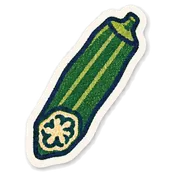
- fresh or dried gombo, for the gombo sauce
- palm nuts or palm nut concentrate, for the sauce graine
Nutritional value of placali
According to composition data from the USDA (FoodData Central), 100 g of raw cassava root provides about 160 kcal, 38 g of carbohydrates and 1.8 g of fibre, with very little fat and protein. Once turned into fermented cassava flour, dried and packaged, the product keeps a carbohydrate content close to 83 to 84 g per 100 g. Fermentation followed by complete cooking, both required before consumption, reduce the level of cyanogenic compounds naturally present in raw cassava root.
Frequently asked questions about placali
What is placali?
Placali is an Ivorian paste of fermented cassava, cooked then worked for a long time until it becomes smooth and elastic. It is served alongside sauces such as gombo sauce or sauce graine. Its slight tanginess comes from the fermentation of the cassava before cooking.
What is the difference between placali and foutou?
Placali starts from fermented cassava, cooked then worked: it is soft, sticky and slightly tangy. Foutou, on the other hand, is obtained by pounding simply boiled tubers (yam, banana, cassava) in a mortar: its texture is firmer and more elastic, and its taste stays neutral, without tanginess.
Where to find the ingredients for placali in France?
NKOSI sells the fermented cassava flour needed for placali and ships it from the Paris area within 24 to 72 working hours, to mainland France (2 to 3 working days) and to ten European countries. The minimum order is 39 €: in France, delivery to a pickup point is then free, and home delivery is free from 59 €.