




In brief
- Chikwangue (kwanga): fermented cassava paste, wrapped in a leaf and steamed
- Origin: Democratic Republic of the Congo, widespread in the Republic of the Congo, Gabon and Cameroon
- Essential ingredients: cassava, marantaceae or banana leaves, salt, water
- An accompaniment to sauces and grilled dishes throughout Central Africa
Origins and cultural history of chikwangue
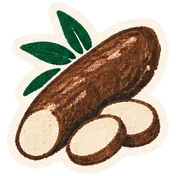
Chikwangue, called kwanga in Lingala, originates from the Democratic Republic of the Congo. It spread to the Republic of the Congo, Gabon and southern Cameroon, where it is found under other names: bobolo among the Beti-Pahuin of Cameroon, agnizock among the Fang of Gabon, or miondo among the Douala. Cassava itself was introduced to Central Africa in the 16th century by Portuguese navigators, who brought it from South America.
The fermentation of several days that precedes cooking is not just a matter of taste: it removes the compounds naturally present in raw cassava, a step necessary before it can be eaten. Once cooked and wrapped, the roll of paste then keeps for several days, which for a long time made it a practical store of food for long journeys.
What are the essential ingredients of chikwangue
Traditional chikwangue requires very few ingredients, but a long preparation time.
- Fresh cassava
- Marantaceae leaves or, failing that, banana leaves
- Salt
- Water, for soaking
Nutritional properties of chikwangue
Boiled cassava provides, per 100 g, around 112 kcal and 27 g of carbohydrates, with very little protein (around 1 g) and fat, according to the Ciqual table from Anses. It is a food made up mainly of carbohydrates, like most roots and tubers of Central Africa.
Frequently asked questions about chikwangue
What does chikwangue taste like?
Chikwangue has a slightly tangy taste, from the fermentation of the cassava, with a compact, elastic texture close to a firm paste. Its composition is simple: only fermented cassava and water, with no additives.
How is chikwangue eaten?
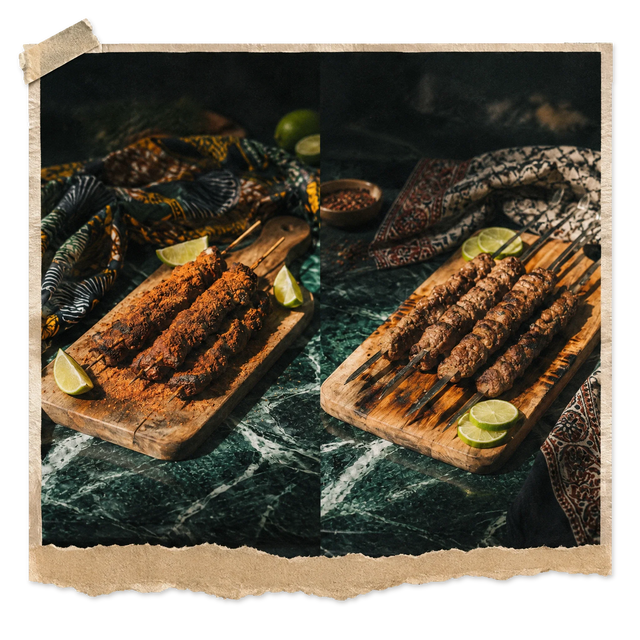
Chikwangue is eaten cold or warm, cut into slices, as an accompaniment rather than as a main dish. It is served with smoked fish, grilled meat or spicy sauces such as pondu (saka-saka) or ngai-ngai.
Where can I find chikwangue ingredients in France?
NKOSI sells ready-to-eat chikwangue (kwanga NUMBER ONE, cassava paste cooked under vacuum) as well as cassava flours, and ships them from the Paris area within 24 to 72 working hours, to mainland France (2 to 3 working days) and to ten European countries. The minimum order is 39 €: in France, delivery to a pickup point is then free, and home delivery is free from 59 €.