




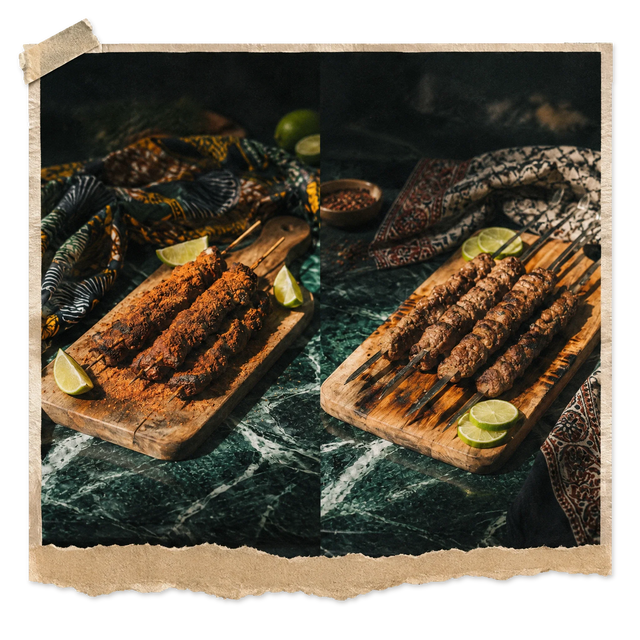

Baobab, fonio, tamarind, okra and moringa: five ingredients from African cuisine, sold dried in specialty grocery stores. This article brings together their sourced composition (Ciqual tables from Anses, USDA FoodData Central database, European regulations) and their culinary uses. The figures below describe what these products contain, not an effect they would have on the body.
Baobab, the tangy pulp of monkey bread
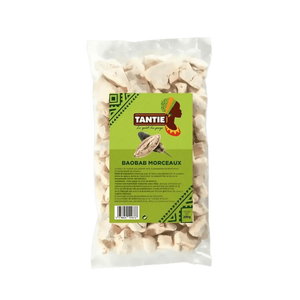
The African baobab (Adansonia digitata) bears a fruit with a velvety shell, monkey bread, whose dried pulp is dissolved in water to prepare bouye juice, a traditional Senegalese drink. The dried fruit pulp has been authorised for sale in the European Union since a Commission decision of 27 June 2008, under the designation “baobab fruit pulp”. According to a synthesis of several studies published in a peer-reviewed journal, it provides, per 100 grams, approximately 305 kilocalories, 5.3 grams of protein, 13.7 grams of fiber, 302 milligrams of calcium and 290 milligrams of vitamin C; these values vary greatly depending on origin and drying. See our baobab guide, with the details of its composition and the bouye juice recipe.
Fonio, a cereal cultivated for millennia
Fonio (Digitaria exilis) is a small West African cereal, domesticated as early as the start of the fifth millennium BCE according to botanical sources, which makes it one of the oldest cultivated cereals on the continent. It is not one of the cereals that contain gluten (wheat, rye, barley, oats); if you need to avoid gluten, still check the label of the product received, as traces are possible depending on the place of processing. A scientific review places its protein content between 5.1 and 11% depending on the studies, with contributions of iron and magnesium; the grain also stands out for its methionine and cysteine content, two sulfur amino acids more present than in rice or wheat. In the European Union, hulled fonio grains have been authorised as a traditional food since a Commission regulation of 18 December 2018. Our fonio guide details how to cook it, pre-cooked or raw.
Tamarind, between tartness and sweetness
Tamarind is the fruit of the tamarind tree (Tamarindus indica), native to Africa and long cultivated in South Asia, whose brown, tangy pulp flavors savory dishes as well as drinks, such as Senegalese dakhar. Per 100 grams of raw pulp, the Ciqual table from Anses indicates approximately 246 kilocalories, 57.4 grams of carbohydrates including 38.8 grams of sugars, 5.1 grams of fiber, 628 milligrams of potassium and 92 milligrams of magnesium; concentrated tamarind paste, sold in sachets, was not analysed separately by this table. See our tamarind guide for the forms sold and the homemade juice recipe.
Okra, the texture that binds sauces
Okra, or gombo (Abelmoschus esculentus), is the fruit of a plant whose mucilage, a soluble fiber, gives the simmered sauces of West Africa and the French West Indies their binding texture. Raw, it provides, per 100 grams, approximately 31 kilocalories, 1.9 grams of protein, 3.2 grams of fiber, 23 milligrams of vitamin C and 31 micrograms of vitamin K1, according to the Ciqual table from Anses and the USDA FoodData Central database; dried then ground, it is more concentrated, in the same proportions as the dehydration of any vegetable. See our okra guide for cooking techniques that limit this texture, when a more discreet one is preferred.
Moringa, the leaves of a tree from Asia
Moringa (Moringa oleifera) is a tree native to the foothills of the Himalayas, now widely grown in the Sahel, whose leaves are cooked fresh, dried or ground into powder, as a base vegetable for sauces and porridges. In the European catalogue of novel foods, the leaves and leaf powder are considered to have been consumed before 1997, and therefore not “novel”; the seeds, whose food status is not established in the European Union, are not covered here. According to a synthesis of agronomic research, the dried leaves provide more than 25 grams of protein per 100 grams, as well as approximately 520 milligrams of calcium, 7.7 milligrams of iron and 83 milligrams of magnesium; the vitamin C content varies greatly depending on drying, from 19 to 140 milligrams. See our moringa guide for its culinary use and the detailed composition of the powder sold by NKOSI.
To go further
Each of these ingredients has its own detailed article, with sources and recipes: baobab, fonio, okra and moringa.


![Cola Nuts from the brand [Brand Name]: 250g/500g/1kg.](http://www.nkosiagro.com/cdn/shop/files/cola-rouge-nkosi-agro.webp?v=1774103054&width=300)