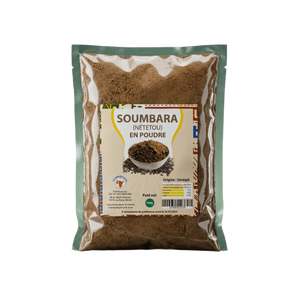


Soumbara, called nététou in Senegal and Gambia, is a fermented West African condiment made from the seeds of the néré tree. In very small amounts, it gives simmered sauces their umami depth, the fifth taste, alongside sweet, salty, sour and bitter.
What is umami, and why is soumbara a source of it?
Néré seeds are boiled and then fermented for several days by bacteria of the genus Bacillus. This fermentation transforms the seed's proteins and develops a pronounced umami taste, with a strong smell when raw that softens noticeably on cooking. It is this same fermentation mechanism that, in other cuisines, gives Japanese miso or Southeast Asian fish sauce their characteristic savoury roundness: soumbara plays a comparable role in West African cuisine, without dominating the dish, but giving it depth.
How to use soumbara in cooking?
Soumbara is powerful: half a teaspoon to one teaspoon is enough for a dish serving four. It is added during cooking, diluted in a little hot water or directly into the sauce, so it releases its flavour without dominating the other ingredients. It appears as a small touch in several classics: thiéboudienne, Senegalese fish and rice, where nététou is one of the traditional spices; kandia soup, the gombo and palm oil sauce from Casamance; and chicken mafé, where a touch of soumbara sometimes complements the peanut paste and broth.
Learn more
Our soumbala (nététou) guide details its identity, composition and culinary uses, and the article néré and soumbala: identity, composition and uses presents the néré tree and its two products, the pulp and the fermented seeds.
Frequently asked questions about soumbara
Are soumbara and nététou the same product?
Yes. It is the same fermented condiment made from néré seeds, under different names depending on the country: nététou in Senegal and Gambia, soumbala or soumbara in Mali and Burkina Faso, dawadawa in Nigeria and Ghana.
What can replace soumbara in a recipe?
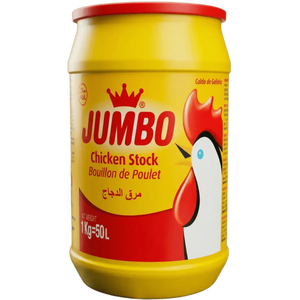
There is no exact equivalent: soumbara has a taste of its own. Some cooks make up for its absence with powdered stock, for the salty, umami note, without reproducing soumbara's characteristic fermented aroma.
How should soumbara be stored?
In an airtight container, away from moisture and heat. Dried balls and powder keep for several months this way without losing their character.