

Martinican cuisine is the vibrant expression of a unique cultural blend, born from the meeting of Amerindian, African, French and Indian cooking. On this island in the French West Indies, every dish tells a story: colombo, blaff, matoutou, creole boudin, cod accras, fricassée... This creole gastronomy, by turns spicy and gentle, intense and refined, is celebrated today throughout the Caribbean diaspora in mainland France, Belgium and Quebec. This guide explores the emblematic dishes of Martinican cuisine, their origins, their signature spices and their family secrets.
The story of a blended cuisine
The cuisine of Martinique was built over centuries from a mosaic of influences. The Amerindian peoples (Carib, Arawak) bequeathed cassava, sweet potato, corn and smoking techniques. African enslaved people brought a taste for long-simmered sauces, slow-cooked stews, rice and peas. The French colonial period introduced European culinary know-how (sauces, gratins, pastries), while the Indian indentured workers of the 19th century brought in the colombo and fragrant curries.
This creole cuisine cannot be frozen in time: it reinvents itself every day in the lòlò (street snacks), at family tables and in contemporary high-end Martinican gastronomy. Discover our complete guide to African and Caribbean cuisine.
The 10 emblematic dishes of Martinique
1. Colombo
An emblematic dish if ever there was one. Colombo is a Caribbean curry introduced by Indian indentured workers. Its signature powder blends turmeric, cumin, coriander, fenugreek and fennel. It comes in chicken colombo, lamb colombo and fish colombo.
2. Cod Accras
These salt-cod fritters, crisp on the outside and soft on the inside, are the sacred aperitif of the West Indies. Prepared with salted dried cod, parsley, shallot, garlic and chilli. See our traditional cod accras recipe.
3. Creole Boudin
The Caribbean creole boudin stands apart from its mainland cousin through its fiery spices: seasoning pepper, West Indian bay, country onions. It is the companion of celebrations, from Christmas Eve to baptisms.
4. Crab Matoutou
Celebrated on Easter Monday, the matoutou is a dish of crabs stuffed with herbs and spices, served in a large family pot. A true tradition passed down from generation to generation.
5. Fish Blaff
A very fragrant fish court-bouillon with herbs (thyme, parsley, country onion), garlic and lime. A light, briny dish, now an unmissable part of beach lunches.
6. Chicken Fricassée
The chicken is simmered in a subtle tomato-coconut sauce, scented with country onions and thyme. An everyday dish that warms hearts.
7. The Bokit
Originating in Guadeloupe but widely adopted in Martinique, the bokit is a fried sandwich filled with cod, chicken, vegetables or ham and cheese. King of the lòlò.
8. Grilled Conch
Sea conch, grilled or in a fricassée, marinated in lime, garlic and West Indian bay. A noble Sunday dish, see our conch fricassée.
9. Ti'Punch
More than a drink, it is a social rite. Agricole rum, lime, cane sugar. The signature of Caribbean conviviality.
10. Coconut Blanc-Manger
An emblematic dessert: a coconut, vanilla and cinnamon custard, frequently served as a charlotte or in slices. Discover the traditional recipe.
The signature ingredients of Martinican cuisine
To cook authentically Martinican, certain ingredients are essential. Most are available at Caribbean and African online grocers, including NKOSI.
- West Indian bay: the signature aromatic leaves of the West Indies
- Seasoning pepper (habanada): a fragrant mild pepper without heat
- Country onions (chives): an essential green aromatic
- Cassava and cassava flour: for Caribbean foufou
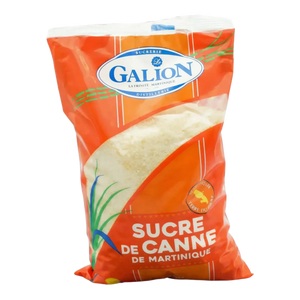
- Cane sugar: Le Galion, the local signature
- Limes: for marinades and ti'punch
- Colombo powder: a ready-to-use spice blend
- Salt cod: the base of accras and chiquetaille
Key takeaways
- Creole cuisine = Amerindian, African, French and Indian blend
- Emblematic dishes: colombo, accras, blaff, matoutou, creole boudin
- Signature spices: West Indian bay, seasoning pepper, country onions
- A living culinary tradition, passed down within the family
Martinican festive culinary calendar
Every great celebration has its flagship dish in Martinique. Here is the calendar of the essentials:
- Christmas Eve: ham, pâtés, creole boudin, pork stew
- Easter Monday: crab matoutou
- Shrove Tuesday / Carnival: all street dishes, lòlò
- Cooks' Festival (10 August): a grand creole table, a tribute to women
- Sunday with the family: fish blaff or colombo
Conclusion: celebrating Martinican cuisine at home
The cuisine of Martinique is a living heritage, carried by generations of women and men who are its guardians. The Caribbean diaspora in France perpetuates these traditions by cooking grandmothers' dishes, passing on to children the taste of colombo and accras. Discover our Caribbean / West Indies products collection and the great NKOSI grocery to cook authentically at home, wherever you are in France, Belgium, Switzerland or Luxembourg.
Frequently asked questions about Martinican cuisine
What is the difference between Martinican and Guadeloupean cuisine?
The two cuisines are very close but with a few subtle differences. Martinique places more emphasis on fragrant sauces and court-bouillons. Guadeloupe is renowned for the bokit and some spicier stews. Both share colombo, accras, creole boudin and coconut blanc-manger.
Where can I find Caribbean ingredients in France?
The NKOSI online grocery at nkosiagro.com brings together all Caribbean products: West Indian bay, Le Galion cane sugar, salt cod, chilli syrup, coconut blanc-manger, with delivery to France, Belgium, Switzerland and Luxembourg.
Is colombo really Martinican?
The colombo has become an emblematic dish of the French West Indies, but its roots are Indian. It was introduced by the Indian indentured workers from Tamil Nadu in the 19th century, and became Martinican over time with local ingredients and creole techniques.