




This lexicon brings together the key terms of Caribbean and West Indian cuisine. Tropical ingredients, Creole dishes, culinary techniques: find the definitions to explore and master the flavours of the islands.
A
Accras
Fried fritters made from salt cod (or shrimp, vegetables), an essential speciality of the French West Indies. The batter is spiced with chilli, chives and parsley. Served as an aperitif or starter with sauce chien.
Acéra
Spelling variant of accra, sometimes used in Haiti and Guadeloupe. Refers to the same type of fritter, often made with grated malanga or local vegetables. The recipe varies from island to island.
Ackee
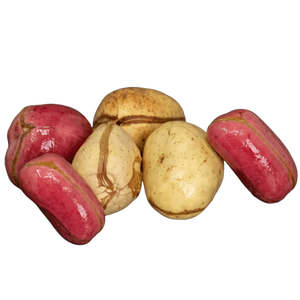
Tropical fruit native to West Africa, which has become the star ingredient of Jamaican cuisine. Ackee and saltfish is the national dish of Jamaica. Only the ripe fleshy part is edible; the rest is toxic.
Ajoupa
Traditional Amerindian shelter of the Caribbean, built with branches and palm leaves. By extension, refers to a style of open-air cooking, in the Creole manner. The term is still used in Martinique and Guadeloupe.
B
Blaff
Light fish or seafood court-bouillon, a speciality of the French West Indies. The fish is poached in a broth flavoured with lime, garlic, chilli and spices. The name is said to come from the sound the fish makes as it drops into the boiling liquid.
Bokit
Crispy fried bread, an emblematic street food of Guadeloupe. The bread dough is fried in oil, then filled with cod, chicken, ham and cheese or raw vegetables. Comparable to Trinidadian fry bake.
Boudin créole
West Indian charcuterie made with pork blood, bread, spices and chilli. Spicier than mainland French boudin, it is flavoured with bay leaf, thyme and country chives. An essential part of Christmas celebrations in the West Indies.
Breadfruit
Fruit of the breadfruit tree, a staple food in the English-speaking Caribbean. Its starchy flesh is cooked roasted, boiled, fried or mashed. Very filling, it often replaces potato or rice in Jamaican and Trinidadian meals.
C
Callaloo
Soup or stew of green leaves (taro, amaranth or local spinach), the national dish of Trinidad and Tobago. Made with coconut milk, crab, okra and chilli. Each island has its own version, from Jamaica to Guadeloupe.
Chatrou
Small octopus from Caribbean waters, highly prized in Martinique and Guadeloupe. Prepared as a fricassee, in blaff or grilled on the barbecue. Chatrous are traditionally hand-caught among the rocks at low tide.
Chiquetaille
West Indian preparation of shredded cod seasoned with lime, chilli, onion and parsley. Served cold as a starter or aperitif on toasted bread. The word comes from the verb chiqueter, meaning to finely chop.
Christophine
Tropical cucurbit also called chayote or mirliton, widely used in West Indian cuisine. Prepared as a gratin, mashed, sautéed or stuffed. Its tender, slightly sweet flesh absorbs flavours well.
Coconut milk
Coconut milk, an essential ingredient of Caribbean cuisine. Used in Jamaican rice and peas, Trinidadian callaloo, Creole sauces and desserts (flan coco, blancmange). Obtained by pressing the grated pulp of fresh coconut.
Colombo
Spice blend of Indian origin (turmeric, coriander, cumin, mustard, fenugreek) adopted by West Indian cuisine in the 19th century. Colombo made with chicken, goat or fish is one of the most popular dishes in Guadeloupe and Martinique.
Court-bouillon créole
Fish dish marinated in lime then simmered in a spiced tomato sauce, different from French court-bouillon. The sauce is spiced with chilli, garlic, bay leaf and chives. Served with white rice or breadfruit.
D
Dachine
Tuber of the taro family, grown in the French West Indies. Its purplish flesh is eaten boiled, mashed or in soups. Dachine leaves (called chou daîne) are used to prepare West Indian calalou.
Dombré
Dumpling of flour dough cooked in West Indian stews. Accompanies red beans, shrimp or fish blaff. Dombrés with red beans is a classic family dish in Guadeloupe.
Douceur coco
West Indian confectionery made from grated coconut, cane sugar and vanilla. Cooked until caramelised, it is cut into squares or diamonds. Sold at markets and outside schools in the West Indies.
F
Féroce d’avocat
Cold Martinican starter made of mashed avocado, shredded salt cod and cassava flour. Spiced with hot chilli, hence its name (féroce means fierce). Eaten with the fingers by forming small balls. A classic of Sunday meals.
Flan coco
Smooth Creole dessert made from coconut milk, eggs and cane sugar, sometimes flavoured with bourbon vanilla or rum. Its texture is denser than mainland French flan. An essential part of festive meals in the West Indies.
G
Gratin de banane
West Indian dessert or side dish made with ripe bananas, cane sugar, cinnamon and rum. The bananas are arranged in layers and baked until caramelised. Served hot at the end of a meal.
Griot
Haitian dish of pork marinated in citrus juice (bitter orange, lime), then fried until golden and crispy. Served with riz djon-djon or pikliz (a spicy condiment). It is the festive dish par excellence in Haiti.
H
Habanero
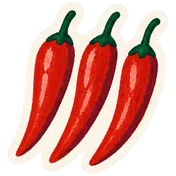
Very hot chilli pepper native to the Yucatán peninsula, widely used in the Caribbean. It comes in red, orange and yellow. A cousin of the Jamaican Scotch bonnet, it brings intense heat and a fruity aroma to sauces and marinades.
J
Jamaican jerk
Cooking technique and spice blend emblematic of Jamaica. The meat (chicken, pork) is marinated in a mixture of Scotch bonnet chilli, allspice, thyme, garlic and ginger, then grilled over pimento wood.
Johnny cake
Fried or baked bread found throughout the English-speaking Caribbean. The version varies from island to island: fried in Jamaica, baked in the Virgin Islands. Simple to prepare, it accompanies breakfast or stews.
L
Lambi
Large marine shellfish (conch) highly prized in the Caribbean. Its firm flesh is prepared as a fricassee, gratin, blaff or salad. In Guadeloupe, grilled lambi is a beachside speciality. It requires long tenderising before cooking.
M
Madère
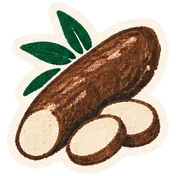
West Indian name for yam (Dioscorea alata), a tuber widely eaten in Martinique and Guadeloupe. Cooked boiled, mashed or in stews. Madère is an essential local vegetable in the Creole diet.
Maracuja
Brazilian name for passion fruit, widespread throughout the Caribbean. Its tangy, fragrant juice is used in cocktails, desserts and sauces. In Martinique and Guadeloupe, it is also called maracudja.
Marie-galante
Island of the Guadeloupe archipelago, renowned for its agricultural rum and sugar cane. Marie-Galante rum (Bellevue, Bielle and Poisson distilleries) is among the most prized in the West Indies. The island also produces artisanal cane sugar.
Matoutou
Dish of land crab marinated and simmered with spices, traditionally served at Easter and Pentecost in Martinique and Guadeloupe. Made with rice, colombo spice, chilli and Creole herbs. Matoutou de crabes is a true family ritual.
Migan
Thick puree of local vegetables (breadfruit, green banana, dachine) mashed with butter or oil. A comforting family dish in the French West Indies. Breadfruit migan is the most popular version.
O
Ouassou
Large freshwater shrimp from Guadeloupe and Martinique (Macrobrachium rosenbergii). Its delicate flesh is prepared flambéed in rum, as a fricassee or grilled. Once abundant in West Indian rivers, ouassou has become a luxury dish.
P
Pain de manioc
Flat, crispy flatbread made from cassava flour or starch, cooked on a griddle. A staple food of the Amerindians of the Caribbean, still eaten in French Guiana, Haiti and the Dominican Republic. Also called cassave.
Patate douce
Sweet tuber grown throughout the Caribbean, used mashed, as a gratin, as fries or in desserts. Orange- and purple-fleshed varieties are the most common. Gâteau patate is a classic Creole dessert in Martinique.
Piment antillais
Hot chilli pepper from the French West Indies (Capsicum chinense), close to the Jamaican Scotch bonnet and the habanero. Fruity aroma and intense heat. Used in sauces, marinades and chilli pastes. Essential in Creole cuisine.
Plantain
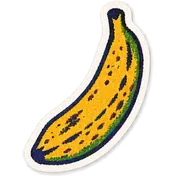
Cooking banana, a fundamental ingredient of Caribbean cuisine. Eaten green (fried tostones, boiled), ripe (banane pesée, gratin) or very ripe (sweet, in desserts). Present in almost every West Indian, Haitian and Jamaican meal.
Poulet boucané
Chicken marinated and smoked over wood (the boucanage technique), inherited from the Caribbean Amerindians. The chicken is slowly smoked over embers of sugar cane wood. A Guadeloupe speciality, served with fried plantain.
Punch
Alcoholic drink emblematic of the West Indies, made from rum, cane sugar and fruit juice. Punch coco, punch maracuja and schrubb (orange peel punch, for Christmas) are the most popular. Ti-punch is the simplest version.
R
Rhum arrangé
Agricultural rum in which fruits, spices or plants macerate for several weeks. Vanilla, pineapple, mango, ginger and bois bandé are the most common macerations. A living tradition in the West Indies, every family has its own recipe.
Riz djon-djon
Haitian black rice cooked with dried djon-djon mushrooms endemic to Haiti (Psathyrella). These small black mushrooms colour the rice and give it a unique earthy aroma. A classic accompaniment to griot and Haitian festive dishes.
Rougail
Condiment or dish from Réunion, shared with Madagascar and the French-speaking Caribbean. Made with tomatoes, onions, ginger and chilli. Tomato rougail accompanies rice, grilled meats and caris.
S
Sauce chien
Creole condiment made with onions, parsley, chives, garlic, chilli, lime and boiling water. An essential accompaniment to grilled meats, accras and fish. The name is said to come from the expression “c’est chien”, meaning “it’s strong”.
Souskay
West Indian preparation of green mango, grated or sliced into strips, seasoned with salt, chilli, garlic and lime. A popular snack in Martinique and Guadeloupe, eaten between meals. Souskay de morue is a salty variant made with cod.
Sorbet coco
Artisanal West Indian ice cream made with fresh coconut milk, cane sugar, cinnamon and nutmeg. Made without an ice-cream maker in many households, by turning the mixture by hand in a bucket of ice. Sorbet coco vendors are a tradition of West Indian markets.
T
Tasso
Dried and fried beef, a Haitian speciality. The beef is marinated in citrus juice and spices, sun-dried then fried. Rich in protein, it keeps for a long time. Served with white rice or riz djon-djon.
Ti-punch
Minimalist West Indian aperitif made of white agricultural rum, cane sugar (or cane syrup) and a squeezed twist of lime. Everyone measures their ti-punch to their own taste. It is the social ritual par excellence in Martinique and Guadeloupe.
Tostones
Slices of green plantain fried twice, popular throughout the Spanish-speaking Caribbean (Cuba, Puerto Rico, Dominican Republic). After a first frying, the slices are flattened then re-fried for a crispy result. Served as a side dish or snack.
Tourment d’amour
Traditional cake from Les Saintes (Guadeloupe archipelago), filled with coconut, guava or banana jam. The pastry is shortcrust, the centre soft and fragrant. Its romantic name makes this cake an unmissable culinary souvenir.
V
Vivaneau
Tropical fish from Caribbean waters (red snapper), with white, firm and flavourful flesh. Prepared in Creole court-bouillon, in blaff, grilled on the barbecue or as pan-fried steaks. It is one of the most popular fish in the French West Indies.
This lexicon is regularly expanded. Looking for a specific Caribbean culinary term? Contact us and we will add it. Discover also our African cuisine lexicon and all our Caribbean and West Indian products on NKOSI.
Créole
Term referring to a people, a language and a culture born of cultural blending in the islands of the Caribbean and the Indian Ocean. Creole cuisine fuses African, European, Indian and Amerindian traditions. Each island has developed its own Creole culinary identity.
Chadron
White sea urchin of the French West Indies, eaten raw with lime or in blaff. Its fishing season in Martinique and Guadeloupe is eagerly awaited. Chadrons are hand-harvested by divers.
Cassave
Flat, crispy flatbread made from cassava starch, cooked on a hot griddle. A heritage of the Kali’na and Taino Amerindians, it is one of the oldest foods of the Caribbean. Eaten plain or filled with grated coconut.