

In Senegal, cooking often begins well before the first pot is set on the fire. It begins with nokoss, that fragrant seasoning paste that you prepare in advance and keep cool to set the rhythm of the week's meals. In the kitchens of Dakar as in the homes of the diaspora, nokoss is that little magic jar that turns an ordinary dish into something deeply Senegalese.
If you have ever tasted a successful thiéboudiène or a well-seasoned chicken yassa, you have surely come across nokoss without knowing it. This aromatic base concentrates garlic, onion, chilli and fresh herbs in a single preparation. It saves time and gives a consistency of flavour to all the home cooking. Here is how to understand it, prepare it and use it every day.
What is nokoss?
Nokoss is a Senegalese seasoning paste made of fresh ingredients blended together. It almost always contains garlic, onion, chilli, bell pepper and parsley, sometimes supplemented with bay leaf, black pepper or a little stock cube depending on the family. Each household has its own version, adjusted to taste and to habits passed down from generation to generation.
Unlike a simple mix of dried spices, nokoss keeps all the freshness of its ingredients. The texture is like a moist, homogeneous paste, easy to spoon out. It is prepared in large quantities to cover several meals, which explains its central place in the organisation of Senegalese cooking.
Nokoss, the secret of Senegalese cooking
Nokoss is not just a handy shortcut. It carries the aromatic identity of Senegal. By concentrating the base flavours in a single preparation, it ensures that every family dish shares a recognisable taste signature. It is this consistency that leads cooks to say that nokoss is the true backbone of their cooking.
Its strength also comes from its flexibility. You can adjust the amount of chilli for a milder or spicier result, boost the garlic for marinades, or lighten the parsley for sauce dishes. Nokoss adapts to the dish without ever losing its character. Well prepared, it flavours rice, meats and fish with a depth that spices added at the last minute never match.
Homemade nokoss recipe
Making your own nokoss at home takes little effort and gives a far better result than industrial versions. Here are the basic ingredients for a family jar.
- 2 large onions
- 1 whole head of garlic
- 2 to 4 chillies depending on the desired heat level
- 1 green or red bell pepper
- 1 bunch of fresh parsley
- 2 bay leaves
- 1 teaspoon of black pepper
- A drizzle of oil and a little salt
Peel the garlic and onions, remove the seeds from the chilli and pepper if you want a milder result. Place all the ingredients in a food processor or blender and blend until you get a homogeneous paste. There is no need to aim for a perfectly smooth texture; a few pieces add character. Adjust the salt at the end.
For storage, transfer the paste into a clean jar and cover the surface with a thin drizzle of oil, which limits oxidation. In the fridge, nokoss keeps for about a week. For a longer reserve, divide the paste into ice-cube trays then freeze the portions.
How to use nokoss
Nokoss accompanies most of the great Senegalese classics. Here are the most common uses in everyday cooking.
- Thiéboudiène: the nokoss is fried in oil before adding the tomato, fish and rice, to build the flavour base of the dish.
- Yassa: mixed with onions and lemon, it forms the base of the marinade for chicken or fish.
- Mafé: a spoonful of nokoss revives the peanut sauce and gives it its spicy roundness.
- Marinades: brush meats and fish with nokoss a few hours before cooking for flesh that is fragrant all the way through.
As a general rule, nokoss is added at the start of cooking so its aromas can diffuse. Allow one to two tablespoons per dish, to dose according to your taste and the quantity prepared.
Where to find the ingredients and spices in France
The success of a good nokoss rests on the quality of the products. To rediscover the authentic flavours of Senegal, it is best to stock up on spices and condiments suited to West African cooking. Our selection dedicated to Senegalese cuisine brings together the chillies, blends and accompaniments that perfectly complement a homemade base.
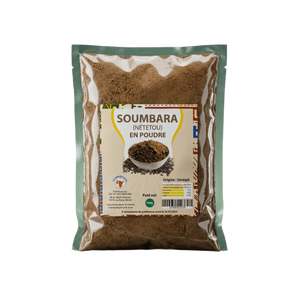
If you like exploring the deep aromas of Senegalese cooking, also think of traditional fermented condiments. Our complete guide to soumbala / netetou explains how these ingredients enhance sauce dishes and dialogue wonderfully with nokoss. All our products are delivered in France and the European Union, to cook Senegalese-style without constraint.
Frequently asked questions
How long does nokoss keep in the fridge?
Kept in a clean jar and covered with a drizzle of oil, nokoss keeps for about a week in the fridge. Always be sure to take it out with a clean spoon to prevent it from spoiling.
Can you freeze nokoss?
Yes, and it is even the best option for always having some on hand. Divide the paste into ice-cube trays, freeze, then take out a portion as needed. Nokoss keeps this way for several months without losing its fragrance.
How much nokoss do you need per dish?
Allow one to two tablespoons for a family dish. Adjust according to the intensity sought and the strength of your preparation; some very spicy versions are used in smaller amounts.
What is the difference between nokoss and rof?
Nokoss is a versatile seasoning base added during cooking. Rof is an aromatic stuffing made of parsley, garlic and chilli that is slipped inside the fish, particularly for thiéboudiène. The two share similar ingredients but play different roles on the plate.