




Several traditional dishes from West Africa, East Africa and the Caribbean are entirely plant-based by nature, with no need to change the recipe: legumes, grains, roots and vegetables have long formed their base. Here is a verified selection, with the origin and ingredients of each dish.
Fritters and dishes made from legumes
Niébé, also known as the black-eyed pea, is the base of several dishes with no animal product. Akara is a niébé fritter that originated with the Yoruba people, in Nigeria and Benin: the soaked beans are blended with onion and chilli, then fried, with no egg or flour. Nigerian moin moin uses the same legume, steamed in a banana leaf with palm oil, onion, garlic and chilli; some versions add egg or smoked fish as an optional topping, the base remaining the bean.
Starches with no animal product: cassava, maize and fonio
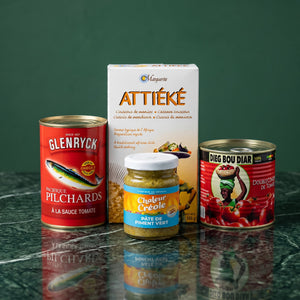
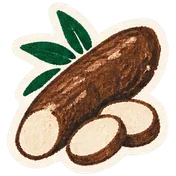
Cassava foufou, originating from the Akan peoples of Ghana, is made with cassava flour, water and salt. Attiéké, fermented cassava semolina from Côte d'Ivoire presented in this guide, follows the same principle before being served with a topping of choice. In Togo and Benin, ablo is a small steamed maize and rice bread, made from flour, yeast, sugar and water.
Vegetables and fruit, raw or fried
In the French Caribbean, chayote salad and green papaya salad are made with the raw vegetable or fruit and a lime, garlic and oil dressing. Green plantain, fried twice, gives the tostones of the Spanish-speaking Caribbean, with no ingredient besides oil and salt. In East Africa, in Kenya and Tanzania, collard greens simmered with onion and tomato (sukuma wiki) accompany a maize flour paste (ugali): a daily, meat-free meal in its basic version.
Two culinary traditions recognised as vegan
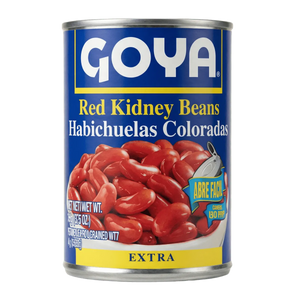
Ital cuisine, developed by the Rastafari movement in Jamaica from 1930 onward, excludes all animal products by spiritual choice: it favours legumes, roots and coconut. In Ethiopia and Eritrea, the Tewahedo Orthodox Church prescribes fasting days, the tsom, during which no animal product is consumed: misir wat (red lentil stew), shiro (chickpea or bean purée) and gomen (collard greens) are the most common dishes.
Entirely plant-based drinks
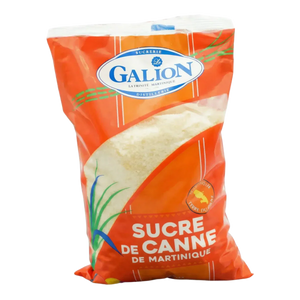
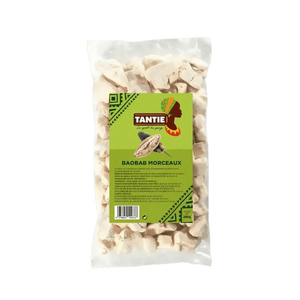
Senegalese bissap infuses dried hibiscus calyces with cane sugar and ginger. West African gnamakoudji presses fresh ginger with water, sugar and lime. Tamarind juice and baobab juice (bouye), both originating from West Africa, are made from the fruit's pulp diluted in sweetened water.
Where to find these ingredients in France?
NKOSI sells LEGUMOR black-eyed peas (whole niébé), RACINES cassava flour for foufou, MARGUERITE dried attiéké, precooked fonio, NUMBER ONE salted plantain chips and TANTIE baobab powder, and ships them from the Paris area within 24 to 72 working hours, to mainland France (2 to 3 working days) and to ten European countries. The minimum order is 39 €: in France, delivery to a pickup point is then free, and home delivery is free from 69 €.